Why Cheap Accessories Cost Contractors More in Callbacks
Learn why cheap metal roofing accessories can lead to costly callbacks, leaks, warranty issues, and labor expenses.
When contractors price a metal roofing project, most of the attention goes to the big-ticket items:
- Coil to form panels
- Underlayment
- Labor
- Flat sheets for trim
- Machinery
But some of the biggest problems on a metal roof often come from the smallest components.
Fasteners, rivets, sealants, clips, pipe boots, and other accessories may only represent a small percentage of the total project cost — but they can create some of the most expensive callbacks if the wrong products are used.
For contractors trying to protect margins, reputation, and long-term customer relationships, cheap accessories can quickly turn into expensive problems.
In this article, we’ll break down:
- Why accessories matter more than many contractors realize
- The hidden costs of low-quality components
- Common failure points that lead to callbacks
- How contractors can reduce risk and protect profitability
Accessories Are the “Weak Points” of a Roofing System
A standing seam metal roof is only as strong as its weakest component.
Even if the panels are properly rollformed and installed correctly, lower-quality accessories can create vulnerabilities throughout the system.
That’s because accessories can be exposed to:
- Constant thermal movement
- UV exposure
- Moisture
- Foot traffic
- Freeze/thaw cycles
Over time, these stresses expose weaknesses in poorly made products much faster than many contractors expect.
A roof system may look perfect on day one — but callbacks often happen years later when accessories begin to fail.
The Hidden Cost of “Saving Money” on Metal Roofing Accessories
Cheap accessories may lower material costs upfront, but they often increase long-term project costs in ways contractors don’t immediately account for.
Common Hidden Costs of Cheap Accessories:
Labor for Callbacks
Even small leaks or failures can require:
- Service calls
- Troubleshooting
- Repair labor
- Travel time
- Crew scheduling disruptions
One callback can erase the profit from multiple jobs.
Damage to Reputation
Homeowners and building owners usually don’t separate the accessory from the roof system itself.
If a cheap pipe boot fails or fasteners back out, the customer blames the contractor — not the component manufacturer.
That can impact:
- Reviews
- Referrals
- Repeat business
- Future job opportunities
Warranty Issues
Some lower-grade accessories may not meet the requirements for:
- Manufacturer warranties
- Engineering approvals
- Coastal applications
- High-wind zones
Using the wrong accessory can jeopardize system performance and warranty eligibility.

Premature Replacement Costs
Contractors may eventually have to:
- Replace failed accessories
- Rework penetrations
- Remove panels
- Address water intrusion damage
Those costs are often significantly higher than the initial savings from cheaper materials.
Common Accessory Failures That Lead to Callbacks
Low-Quality Fasteners
Fasteners are one of the most common failure points on metal roofs.
Cheap fasteners may experience:
- Washer deterioration
- Corrosion
- Head snapping
- Back-out issues
- Poor coating performance
If the washer fails or the fastener backs out, water intrusion can occur quickly.
This becomes even more important in:
- Coastal environments
- Snow regions
- High-wind applications
- Projects with significant thermal movement
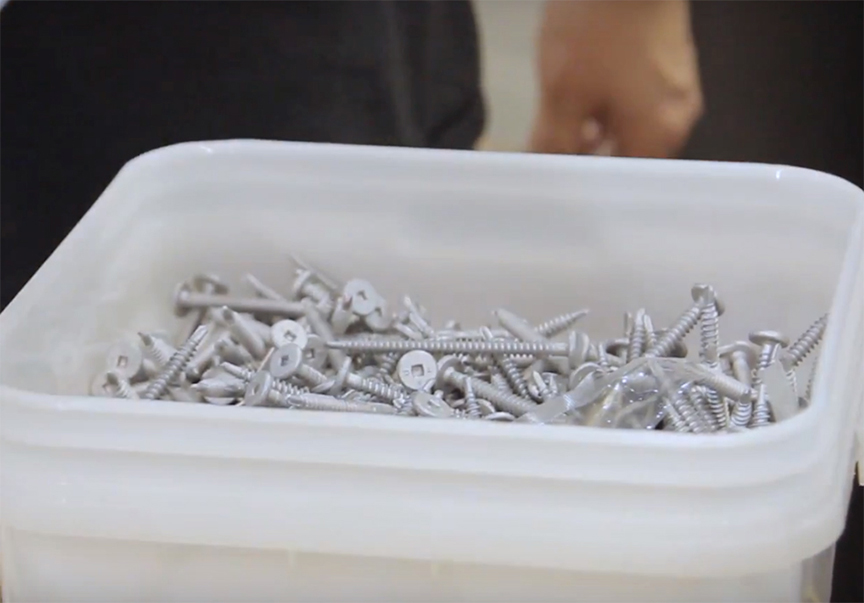
In coastal environments especially, contractors should pay close attention to corrosion resistance. Sheffield Metals commonly recommends stainless steel fasteners and clips for projects near saltwater environments to help improve long-term performance and reduce corrosion risk.
Sheffield Metals also stocks fasteners designed specifically for metal roofing applications, including options intended for high-wind and coastal conditions.
Inferior Pipe Boots
Pipe penetrations are one of the most vulnerable areas on any roofing system.
Lower-quality pipe boots may:
- Crack from UV exposure
- Become brittle
- Separate at seams
- Lose flexibility over time
Once a penetration fails, leaks often follow.
A cheaper pipe boot might save a few dollars upfront but can create hundreds or thousands of dollars in repair costs later.
For long-term performance, many contractors choose high-temperature silicone pipe boots designed specifically for metal roofing applications because they typically hold up better to UV exposure and thermal movement over time.
Poor Sealants and Butyl Tape
Not all sealants are designed for long-term metal roofing performance.
Lower-grade products may:
- Dry out
- Shrink
- Lose adhesion
- Crack under UV exposure
- Fail during thermal cycling
Sealant failures often lead to difficult-to-trace leaks that consume valuable troubleshooting time.
Sheffield Metals commonly recommends butyl sealants and tapes designed specifically for metal roofing systems instead of general-purpose sealants that may not handle long-term expansion and contraction properly.
Using the correct sealant for the specific panel system and environment can make a major difference in long-term performance.
Weak Clips or Attachment Components
In standing seam systems, clips play a major role in allowing thermal movement and helping the roof system perform properly.
Lower-quality clips may:
- Deform
- Corrode
- Fail under wind uplift
- Restrict movement
That can contribute to:
- Panel stress
- Fastener issues
- System movement problems
One issue Sheffield Metals commonly sees is contractors fabricating their own clips or using clips that are too thin for the application.
As a general rule, Sheffield Metals recommends using clips that are at least as thick as the metal being installed. However, contractors should always reference the engineered clip and fastener requirements for the specific roofing system and project conditions.
This becomes even more important in:
- High-wind zones
- Coastal applications
- Long-panel projects
- Mechanically seamed systems
For engineered systems, Sheffield Metals provides engineered clip and fastener documentation to help contractors select the correct attachment components for the application.
Thank You — Download the Engineered Clip and Fastener Guide! – Sheffield Metals
Cheap Accessories Often Create Expensive Labor Problems
Contractors sometimes focus only on material pricing — but labor is usually the biggest cost driver on a roofing project.
Cheap accessories can increase labor through:
- Difficult installation
- Inconsistent sizing
- Product defects
- Rework
- Slower installation times
For example:
- Low-quality fasteners may strip easily
- Cheap rivets may not seat properly
- Inferior closures may fit inconsistently
- Poorly manufactured accessories may require field adjustments
Saving a small amount on materials can create major inefficiencies in the field.
Why Metal Roofing Accessory Compatibility Matters
Another issue contractors face is mixing accessories from multiple suppliers without verifying compatibility.
Not all accessories are designed to work together.
Potential issues include:
- Dissimilar metal corrosion
- Chemical incompatibility
- Coating conflicts
- Incorrect thermal movement performance
- Warranty limitations
Working with a supplier that understands full system performance can help reduce these risks.
Why Many Contractors Standardize Metal Roofing Accessories
Experienced contractors often standardize around trusted accessory products because consistency helps reduce:
- Callbacks
- Installation issues
- Crew confusion
- Warranty risks
- Long-term failures
Instead of chasing the absolute lowest material cost on every job, many contractors focus on:
- Reliability
- Proven performance
- Ease of installation
- Long-term durability
That approach often protects profitability more effectively over time.
How Long-Term Value Protects Profits
The cheapest accessory is not always the lowest-cost option in the long run.
For contractors, the real goal is:
- Fewer callbacks
- Faster installs
- Better customer satisfaction
- Stronger reputation
- Long-term roof performance
- More profitable projects
Reliable accessories help support all of those outcomes.
Why Contractors Work with Sheffield Metals for Accessories
At Sheffield Metals International, contractors can source accessories designed specifically for standing seam metal roofing applications.
That includes products such as:
- Fasteners
- Rivets
- Pipe boots
- Clips
- Sealants
- Snow retention components
- Underlayments
- And more
Instead of piecing together components from multiple unknown sources, contractors can work with a supplier that understands how accessories interact with the full roofing system.
In addition, Sheffield Metals provides:
- Technical support
- Product guidance
- Installation resources
- Warranty support
- Regional inventory availability
For many contractors, that support helps reduce risk and improve consistency from project to project.
FAQs
Need Accessories for Metal Roofing Systems?
Metal roofing systems are long-term investments — and customers expect them to perform for decades.
While accessories may seem like a small part of the project cost, they often have a major impact on:
- Roof performance
- Labor efficiency
- Customer satisfaction
- Warranty eligibility
- Contractor profitability
Cutting corners on accessories may save money upfront, but it can cost far more later in callbacks, repairs, and reputation damage.
For contractors focused on long-term success, reliable accessories are an investment — not just another line item.
Contact your local Sheffield Metals sales rep to get the right accessories for your metal roofing project. And check out this related content below: