New 2025 Atlanta “Cool Roof” City Ordinance: What to Know
Learn what Atlanta’s new cool roof ordinance requires and how metal roofing contractors can stay compliant with reflectance standards.
On June 2nd, 2025, Atlanta’s City Council unanimously passed an ordinance that will change new construction in the city. This ordinance requires high-reflectance roofing materials on all new construction and roof replacements, in an effort to decrease the rising temperatures of the city and reduce energy costs.
Whether you’re a player in the metal roofing industry, a resident of Atlanta, or someone curious how this ordinance will play out, this article will dive into the details of Atlanta’s new “cool roof” ordinance, including why it was implemented, what it means for you, and how Sheffield Metals can support.
- What’s the New Atlanta Cool Roof Ordinance?
- What Are the New Atlanta Ordinance Cool Roof Requirements?
- Reflectance Requirements for Steep-Slope Roofs (Slope > 2:12)
- Reflectance Requirements for Low-Slope Roofs (Slope ≤ 2:12)
- Compliance Timeline
- What It Means for Roofing Contractors
- What It Means for Architects
- What It Means for Home and Building Owners
- FAQs
- How Sheffield Metals Can Help
- Need Support?
What’s the New Atlanta Cool Roof Ordinance?
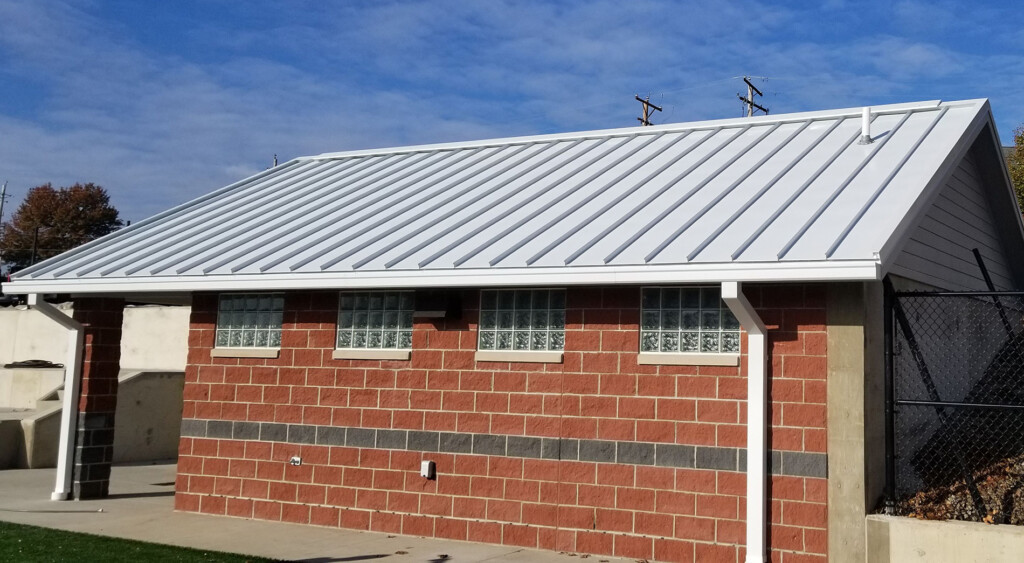
The new Atlanta city ordinance puts minimums on the SRI (Solar Reflective Index) for new roof installations. These roofing reflectance standards differ for steep and low-slope roofs.
Here’s why Atlanta instituted the new ordinance:
- The Urban Heat Island Effect: Areas with large volumes of buildings, roads and other infrastructure absorb and hold heat more than natural environments like trees and water. Because of this, cities are at risk of the urban heat island effect, which pushes up average temperatures in the city, contributing to safety concerns and pressure on the energy grid, which could lead to citywide blackouts. Researchers have pointed out that urban neighborhoods in the city, when compared to nearby rural areas, can be 14 degrees hotter than nearby areas.
- Public Health: Extreme heat leads to more emergency room visits, higher hospitalization rates, and increased heat-related injuries, all of which put the public at risk.
- Energy Costs: Higher temperatures mean higher cooling bills. Residents with an already tight budget may be forced to constrict their expenses even further due to the urban heat island effect.
What Are the New Atlanta Ordinance Cool Roof Requirements?
Here are the requirements for the new 2025 Atlanta Cool Roof Ordinance:
Reflectance Requirements for Steep-Slope Roofs (Slope > 2:12)
This includes nearly all residential buildings and commercial structures.
Roof coverings must have:
- Solar reflectance ≥ 0.21 (3-year aged)
- SRI ≥ 20 (3-year aged)
This performance threshold allows for a range of metal roof colors and coatings, as long as they demonstrate adequate reflectivity after weathering.
Reflectance Requirements for Low-Slope Roofs (Slope ≤ 2:12)
This applies to a smaller segment of commercial, industrial, and multifamily buildings.
Roof coverings must have:
- Solar reflectance ≥ 0.70 (3-year aged)
- SRI ≥ 85 (3-year aged)
To meet these requirements, you’ll need a specially formulated coating, designed to meet very high reflectance ratings.

Who Must Comply:
These specifications are required for:
- New residential construction
- New commercial construction
- Full roof replacements on existing buildings
Who Is Exempt:
The requirements do not apply to:
- Green roofs (roof areas covered by living vegetation)
- Rooftop recreation areas (patios, amenity decks, etc.)
- Roof areas with required fire/life safety equipment
- Roof sections covering 3% or less of the building’s total floor area
- Repairs that do not require full roof replacement
Compliance Timeline
The ordinance has a phased rollout:
- Within 180 days: The City must update permitting systems to require roofing SRI documentation
- After submission to the Georgia DCA:
- If the state approves, does not comment, or takes no action, the ordinance becomes enforceable after 365 days
- If the state recommends rejection, the Atlanta City Council may override, making the ordinance effective immediately after a follow-up vote
Contractors should begin preparing now for compliance and documentation requirements.
What It Means for Roofing Contractors
Atlanta’s permitting process will now require contractors to submit specific reflectance and SRI data for the roofing materials they plan to install. Expect:
- More questions about SRI values during quoting
- Material selection changes
- A need to verify 3-year aged SRI data from manufacturers
- Additional documentation during permitting
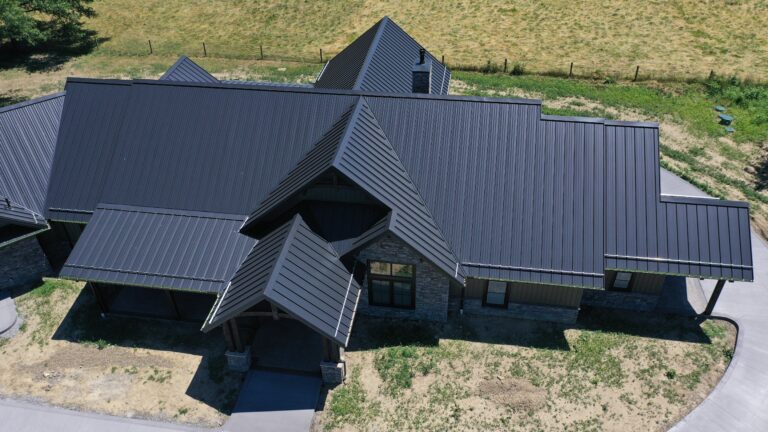
Because many modern metal roof coatings — including PVDF systems — naturally offer higher reflectance than asphalt shingles or dark membranes, metal roofing will be an appealing choice for meeting the new requirements.

What It Means for Architects
Architects will need to incorporate cool roof considerations into:
- Design specifications
- Material schedules
- LEED or sustainability goals
- Color selection for both residential and commercial buildings
Most manufacturers publish SRI and reflectance data in accordance with ASTM standards, and architects should verify that chosen products meet the ordinance’s 3-year aged values rather than initial reflectance.
What It Means for Home and Building Owners
Homeowners undergoing a roof replacement must now use roofing materials that meet these reflectance standards. Benefits include:
- Lower attic temperatures
- Reduced cooling bills
- Improved interior comfort
- Potential improvements to the building’s energy performance rating
Metal roofing, which is available in a wide range of reflective colors and finishes, is uniquely suited to help homes stay cooler while still achieving aesthetic goals.
FAQs
How Sheffield Metals Can Help
Sheffield Metals offers a wide range of metal roof colors and PVDF-coated products that provide strong solar reflectance and SRI performance. Nearly all SMI colors, from Regal White to Terra Cotta, already exceed the ordinance’s minimum standards for steep-slope roofs.
We support contractors, architects, and building owners by providing:
- SRI data sheets for all colors
- Engineering support and product selection guidance
- Architectural assistance for meeting code and performance requirements
- High-reflectance PVDF color options suitable for Atlanta’s cool roof ordinance
If you need help determining which colors and products comply with the new requirements, our technical and architectural teams are available to assist.
Need Support?
Atlanta’s new cool roof ordinance represents a major step toward reducing heat risk, improving energy efficiency, and building a more resilient city. For contractors and architects, understanding these new requirements is essential for staying compliant and choosing materials that meet the city’s performance standards.
Metal roofing — particularly PVDF-coated steel and aluminum panels — offers a strong solution for achieving the required reflectivity while providing durability, longevity, and design flexibility.
To learn more about compliant Sheffield Metals products or to get SRI data for your next project, contact your local Sheffield Metals representative or visit the SMI website.